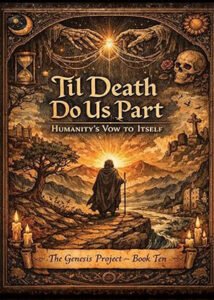
Napoleon Esteban is the chosen voice of Stephen Mott Daniels, Sr.—a name shaped by a life of discipline, distance, and quiet observation. From beginnings in The Bronx to years spent in service and across cultures, Daniels gathered not just experience, but questions—questions that would later find their way into Esteban’s voice.
As Napoleon Esteban, he writes with stillness and intent. He does not rush to answer, nor does he seek comfort. Instead, he lingers in the in-between—where meaning is uncertain, and truth is not yet formed. His words feel less like declarations and more like echoes—soft, deliberate, and enduring.
He is a watcher of patterns, a listener of silences, a seeker of what lies beneath what is seen. To Esteban, identity is not fixed, time is not linear, and belief is not absolute. Everything shifts, everything speaks—if one is willing to look long enough.
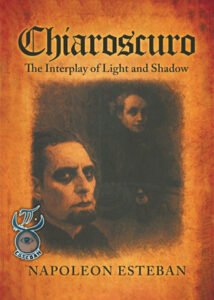
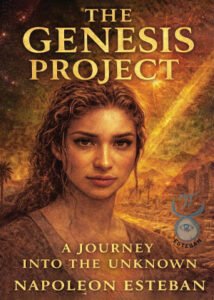
Through The Genesis Project and works like Chiaroscuro, The Genes of Isis, and The Sacred Curse, he explores the quiet intersections of science and spirit, of origin and becoming. His writing does not resolve—it opens. It invites. It stays.
Napoleon Esteban is not simply a persona, but a presence—one that moves gently through thought, leaving behind not answers, but a deeper awareness of the questions.